معرفة ما تحمله كيف تختار ليزر من أجل مشاريعك
نفس النمط يبدو مختلفاً في جلد مختلف كَيفَ يَختارُ الجلودَ مِن قِبل التانج والحبوب والسماكة والجزءِ مِنْ المخبأِ، لكل نوع من المشاريعِ.
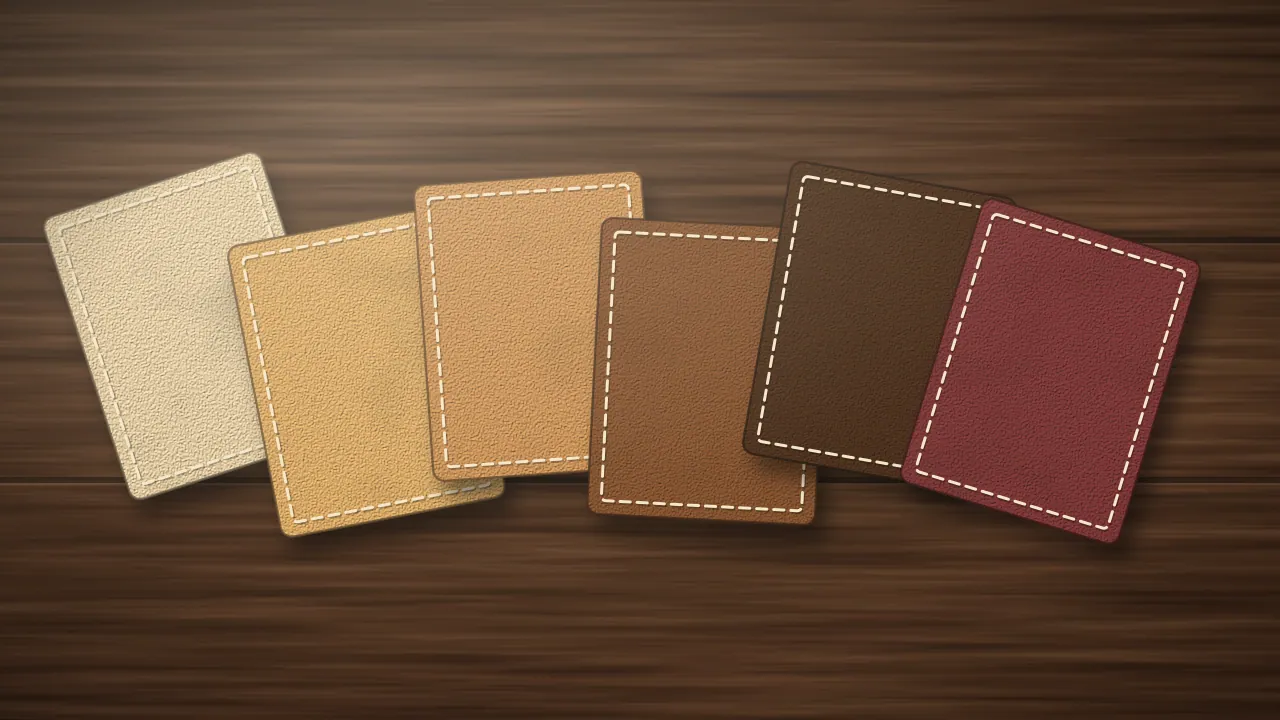
Run your hand across a shelf of leather and you will feel how different each piece can be: one firm and dry like card, the other soft and cool, one with a waxy surface that lightens when you bend it, the other smooth and even. The leather you choose decides how a piece will cut, stitch, hold its shape and age, often more than any tool. For many people this is the most confusing part of the craft, because suppliers describe their leathers with words that are rarely explained: tannage, temper, ounces, full grain, shoulder. This guide explains how to choose leather in plain terms, one question at a time, so you can read a description and picture the material, and it links to a detailed article on each subject as it comes out.
Why the leather matters as much as the tools
A sharp knife cannot rescue a piece cut from leather that is too soft for the shape, and careful stitching cannot stop a belt from stretching if it was cut from the wrong part of the hide. Leather is a natural material with its own structure: a dense layer of fibres near the grain surface, looser fibres underneath, and a character that varies across the hide. Choosing well means matching that structure to what the piece has to do: stay flat, bend thousands of times, carry weight, take a polished edge or simply feel good in the hand.
The questions to ask are always the same. How was it tanned? Which layer of the hide is it, and has the surface been corrected? How thick is it? Which part of the animal did it come from? And how firm or soft has the tannery made it? Once you know the answers, a supplier's description stops being a list of codes. Each of those words is explained in the sections below, and if you are just starting out, how to start leathercraft shows where the choice of leather fits among the first steps.
Tannage: vegetable, chrome and the ones in between
Tanning is what turns a raw hide into a stable material that does not rot. The two main methods give very different leathers. Vegetable tanning uses tannins from bark, wood and leaves and is a slow process; the result is firm, takes stamping and carving when dampened, holds a burnished edge and darkens with light and handling into a patina. Chrome tanning uses mineral salts, is much faster, and gives a softer, more supple leather that resists water and heat better and keeps its colour, but that does not burnish well and cannot be tooled.
Neither is better in general; they suit different things. Vegetable-tanned leather is the usual choice for hand-stitched small goods, belts and anything you want to stamp or carve, while chrome-tanned leather is common in shoes, garments and soft bags. Many tanneries also make combination leathers, tanned one way and retanned the other, to blend the qualities. Vegetable-tanned vs chrome-tanned compares the two in detail, patina explained describes how vegetable-tanned leather changes over time, and pull-up, oiled and waxed finishes covers the characterful leathers that lighten where they bend.
Grain and grade: what the labels really mean
A hide is thick, and tanneries usually split it into layers. The top layer keeps the grain, the outer surface with its fine pattern of pores, and this is where the fibres are densest. When that grain is left intact, with its natural marks, the leather is sold as full grain. When the surface has been lightly sanded and given a finish to even out marks, it is often called top grain or corrected grain. The lower layers, without grain, are splits; they are used for suede and for leathers with an applied surface.
The term "genuine leather" causes the most confusion. It simply means the material is real leather, but in practice it is often used for lower grades, frequently splits with a printed or coated surface. That does not make it useless, but it will not behave like full grain at the edges or age the same way. Bonded leather, made from shredded fibres held together with a binder, is a different material altogether. Full-grain, top-grain and genuine leather goes into the grades, how to judge leather quality explains what to look and feel for, and crafting with leather and its alternatives compares leather with faux and plant-based materials honestly.
Thickness and the part of the hide
Leather thickness is given in millimetres or, especially in English-speaking countries, in ounces, where one ounce corresponds to about 1/64 of an inch, roughly 0.4 mm. Because a hide is never perfectly even, thickness is usually sold as a range, such as 3 to 4 ounces, about 1.2 to 1.6 mm. Thin leathers suit linings and small folded pieces, middle weights suit wallets and card holders, and thick, firm leathers suit belts and straps. Leather thickness in ounces and millimetres gives typical ranges for common projects and explains how to measure. It also matters for your tools: hand-pressed punches, for example, suit thinner leather better than thick belt leather, which usually calls for a drive punch and a mallet.
Where the leather comes from on the animal matters as much. The back, or bend, is usually the firmest and most even, which is why belts are cut from it. Shoulders are a little softer and can show growth marks, and they suit a wide range of goods. Bellies stretch more and vary in thickness, so they are better kept for linings and small parts that carry no strain. Shoulder, back and belly of a hide explains how to recognise each area and what to cut from it, so the parts of your piece that take the most strain come from the firmest leather.
One more word appears in many descriptions: temper, which describes how firm or soft a leather has been made. Two leathers of the same thickness and tannage can feel completely different because one was finished firm, for belts and holsters, and the other soft, for bags and linings. A firm temper holds a shape and an edge; a soft temper drapes and folds. When a description gives no temper, ask, or order a small panel first and bend it in your hands.
Matching leather to the project, and buying it
With these ideas in hand, choosing becomes practical. A wallet wants leather thin enough to fold and stack without bulk, yet firm enough to keep its shape; choosing leather for wallets suggests combinations of thickness and tannage. A belt needs thick, firm leather cut along the back so it does not stretch; see choosing leather for belts. Small decorative pieces can use almost anything, which is where offcuts shine, as described in what to make from leather scraps.
Leather is sold by area, as whole hides, halves called sides, shoulders, bends, smaller panels and bags of offcuts. Panels and scrap bags are an inexpensive way to try several leathers before buying more; where and how to buy leather for crafting explains what to ask a supplier and how to compare offers. Once you have leather, keep it flat or loosely rolled, away from direct sun, heat and damp, so it does not crease, fade or develop mould; how to store hides and offcuts gives the details.
Where to go from here
Choosing leather is a skill built by touching it. Start with a few panels of vegetable-tanned leather in two or three thicknesses, make a small piece from each, and notice how they cut, how the holes and stitches sit, how the edges polish. Read descriptions with the four questions in mind, tannage, grade, thickness and part of the hide, and ask suppliers when a detail is missing.
Leather goods do not stop changing once they are made, and looking after them well keeps them going for years; looking after the leather you make covers cleaning and conditioning. When you are ready to put a leather to use, leather projects that teach you the craft suggests what to make first. Buy a small piece first when you can, and let your hands confirm what the description promises.
أسئلة شائعة
أي الجلود تعمل لمعظم مشاريع الجلود؟
لا يوجد إجابة واحدة لأن المشاريع تسأل أشياء مختلفة عن الجلد فبالنسبة للسلع الصغيرة والأحزمة التي تصبغها يدوياً، فإن الجلد المطلي على الحضارة الكاملة هو خيار شائع: فهو يقطع بشكل نظيف، ويحمل ثقوباً، ويأخذ حافة مهبلة، وعمراً جيداً. أكياس وملابس جلدية صغيرة تحتاج للشرب
ماذا يعني الوزن في الأفران للجلود؟
إنه مقياس سميك وليس وزن ويقابل أوقية واحدة ما يقرب من ١/٦٤ بوصة، حوالي ٤,٤ مم، بحيث تبلغ أونصات ٤ حوالي ٦,١ ملم. ولأن الاختباء يتفاوت، عادة ما يعطى السميك كمدى، مثل 3 إلى 4 أونصات. العديد من المورّدين الأوروبيين يبيعون مليمترات الولاية مباشرة
هل الجلد الحقيقي جيد؟
"جلود جينوين" يقول أن المادة هي جلد حقيقي In practice the term is often used for lower grades, frequently splits with a coated surface, which do not age or end at the edges like full grain. يمكن أن يكون جيد لبعض الاستخدامات، ولكن إذا كنت تريد الجلد أن تلمع وتطوّر بيتنا، والبحث عن حبة كاملة.
هل يمكنني استخدام الخردة الجلدية للمشاريع الحقيقية؟
نعم وهناك العديد من المشاريع الصغيرة، مثل حاملي البطاقات، والأضباب الرئيسية، وعلامات الكتاب، والسواحل، التي تحتاج إلى قطع صغيرة فقط، وأكياس الخردة هي وسيلة غير مكلفة للحصول على عدة جلدات لمحاولة. تحقق من سمك و ابحث عن ندبات أو مناطق رقيقة قبل قطعها وحافظ على قطع أكبر من القطع التي تحمل السلالة
كيف أعرف أي جزء من الاختباء يأتي من؟
وكثيرا ما يقول الموردون ما إذا كانوا يبيعون البنادق أو الأكتاف أو الأجراس. وعلى الجانب كله، يمتد الجزء الخلفي على طول العمود الفقري، وهو أكثر المناطق حزماً وإنصافاً؛ وتكمن البطن على طول الحافة الأدنى، وهي أبعد وأرق. الإنحناء والضغط على الزاوية يُظهر كم هو ثابت